Explore our journey
2005 to 2006
Creating a shared digital service
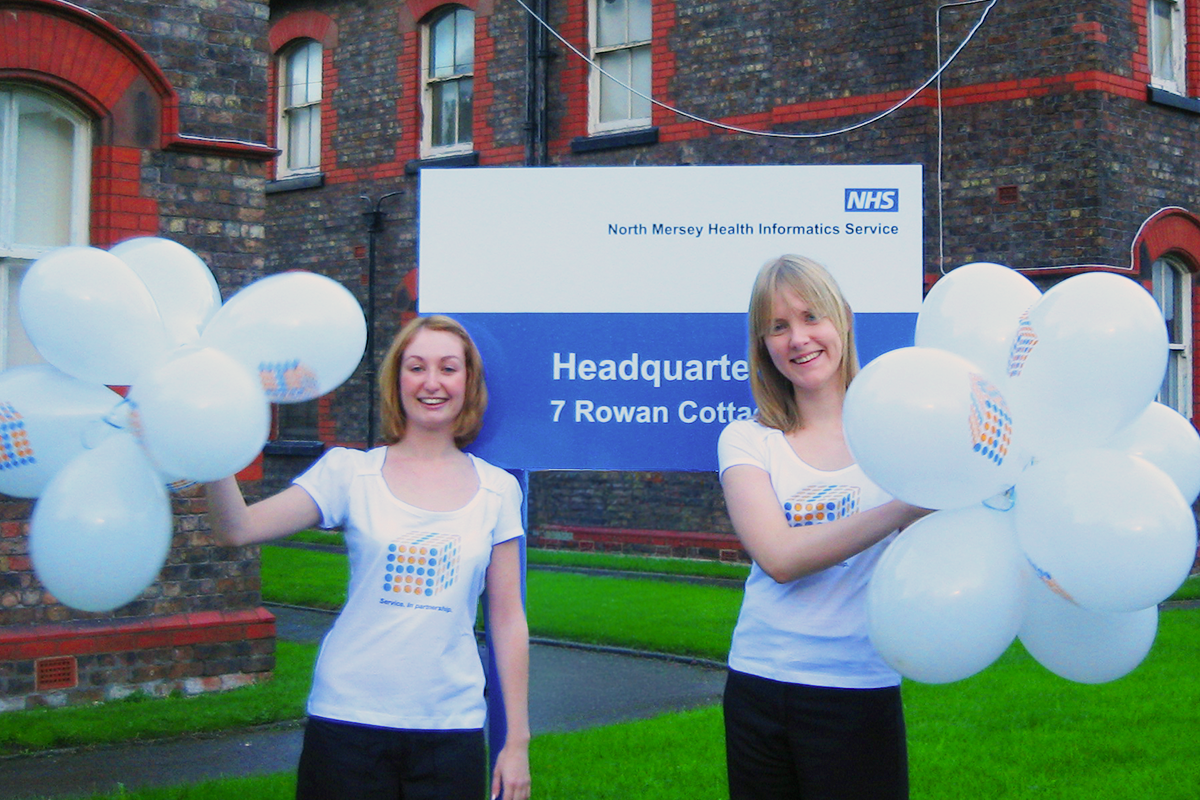
Preparatory work began in 2005, when North Mersey NHS leaders agreed that sharing local Information Management and Technology (IM&T) resources would provide the capacity and skills required to support major technology programmes and the future needs of the health economy.
Following colleague engagement, the agreement of hosting arrangements and the establishment of a management board, Service Level Agreements with partner organisations were approved in September 2006. The North Mersey Health Informatics Service formally went live on 1 October 2006.
The new shared service played an important role in coordinating major system deployments associated with the National Programme for IT (NPfIT). This included supporting the implementation of Patient Administration Systems (PAS) across community and acute services and developing knowledge that could be shared across organisational boundaries.
M also supported the expansion of the CyberREN renal system to include North Wales and the Isle of Man, and developed integration functionality to enable multiple PAS and laboratory feeds, along with the communication of results to the UK Renal Registry.
2007 to 2011
Building shared capability
During its early years, the organisation focused on bringing teams together, standardising services and establishing the technical foundations required for collaborative digital delivery.
The first colleague forum was held in 2007, followed by further integration of service desk and technical support arrangements. Work also progressed on shared technologies, including SharePoint, clinical systems, remote access and the Community of Interest Network (CoIN). The network provided an important foundation for transferring information securely across the local health economy and supporting future information-sharing and care transformation.
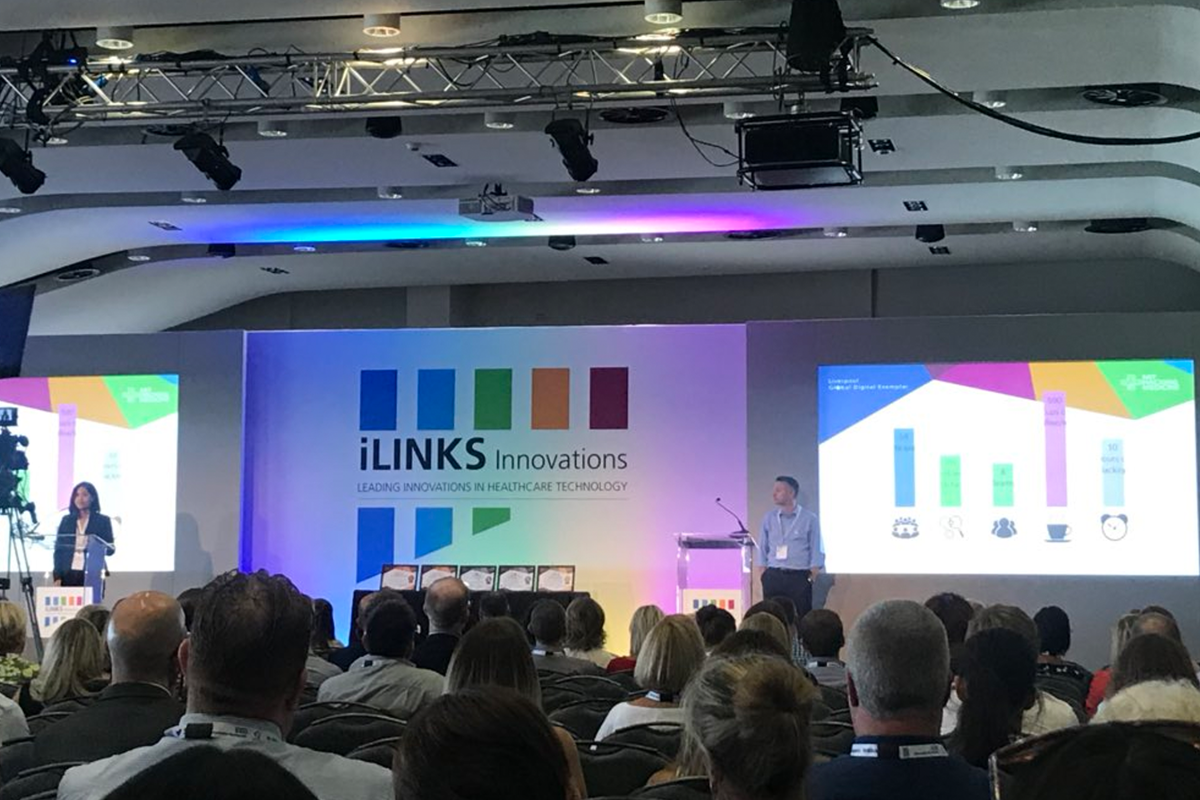
In 2011, the first iLINKS Innovations conference and exhibition was held. Beginning as a GP system user group meeting, iLINKS developed into a significant regional event for sharing learning, showcasing digital innovation and bringing together health, care, digital and technology colleagues.
2012 to 2015
Becoming NHS Informatics Merseyside
In 2012, Mersey Care NHS Foundation Trust became the host organisation and the North Mersey Health Informatics Service was renamed Informatics Merseyside. This marked an important stage in IM’s development as a recognisable digital shared service supporting multiple NHS partners.
The period also saw growing external recognition. The IT Service Desk achieved two-star Service Desk Institute (SDI) accreditation in 2012 and became the first NHS IT Service Desk in England to achieve three-star certification in 2014. In 2015, the team was runner-up in the Best Large IT Service Desk category at the IT Service and Support Awards, competing alongside major international organisations. IM also received Excellence in Informatics accreditation for its approach to workforce development.
Alongside service improvement, IM continued to support significant digital change across its partners. This included electronic patient records, electronic prescribing, clinical information systems, primary care system migrations, integration services, infrastructure modernisation and the development of digital skills across the NHS workforce.

2016
Setting a shared digital direction
IM celebrated its 10th anniversary on 1 October 2016.
By this point, its role had expanded beyond system implementation and IT support to include digital transformation, interoperability, information sharing and strategic leadership.
The Merseyside Digital Roadmap was launched at the iLINKS Innovations conference in July 2016, setting out how technology and innovation could improve care quality and patient experience.
A new IM Business Plan for 2016 to 2018 was also approved, establishing the organisation’s strategic priorities for its next phase of development.

2017 to 2020
Supporting integrated and digitally enabled care
As health and care services became increasingly connected, IM continued to strengthen its capabilities in digital infrastructure, clinical systems, integration, interoperability, cyber security, data sharing and programme management.
This period represented a continued shift from technology being viewed primarily as an operational support function towards digital becoming an enabler of service redesign, collaboration and integrated care. IM’s clinically led approach increasingly brought together healthcare professionals, operational teams and digital specialists to ensure that digital solutions reflected frontline needs and supported safe, effective care.
This foundation enabled IM to contribute to place-based and regional priorities, while continuing to support the strategic and operational requirements of core partners including Mersey Care NHS Foundation Trust and the organisations that now form NHS Cheshire and Merseyside Integrated Care Board (ICB).
During this period, IM also played a critical role in helping local healthcare organisations respond to major national challenges. Following the WannaCry cyber attack in 2017, IM coordinated the regional digital response, working closely with NHS partners to manage the impact of the incident, strengthen cyber security, improve resilience and protect critical digital systems and services.
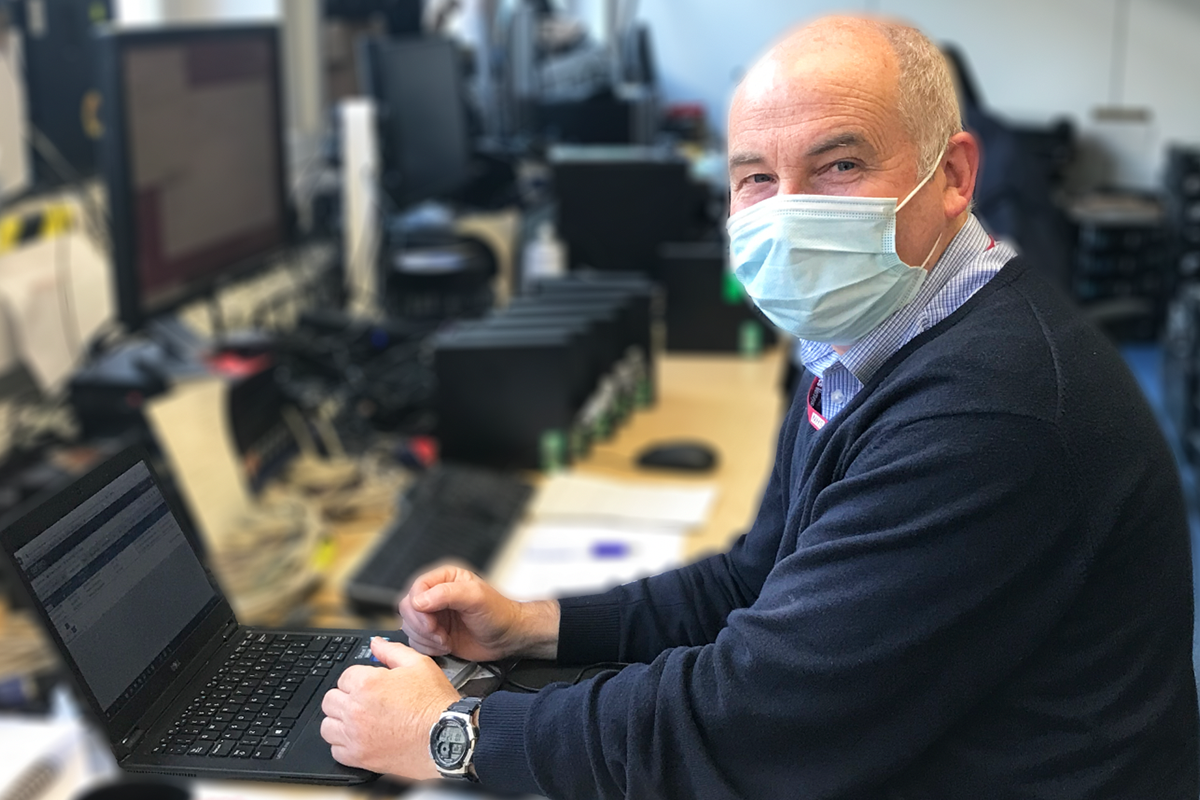
In 2020, the COVID-19 pandemic accelerated the adoption of digital technology across health and care at an unprecedented pace. IM enabled the rapid rollout of remote working solutions, collaboration tools, digital infrastructure and virtual ways of working, helping organisations maintain services, adapt to changing demands and continue delivering care during one of the most challenging periods in NHS history.
2021 to 2023
Recognised quality, security and workforce development
In November 2021, IM’s Information Governance Service was named Information Governance Team of the Year in the national Information Governance Awards. The award recognised teams that had gone above and beyond in delivering exceptional information governance and data security services.
In January 2022, IM achieved Cyber Essentials Plus certification, the highest level available through the UK Government-backed Cyber Essentials scheme and one that requires independent technical verification of an organisation’s cyber security controls.
IM achieved Level 1 Excellence in Informatics accreditation in March 2022 and Level 2 in September 2023, demonstrating continued investment in professional development and good practice across its digital workforce.
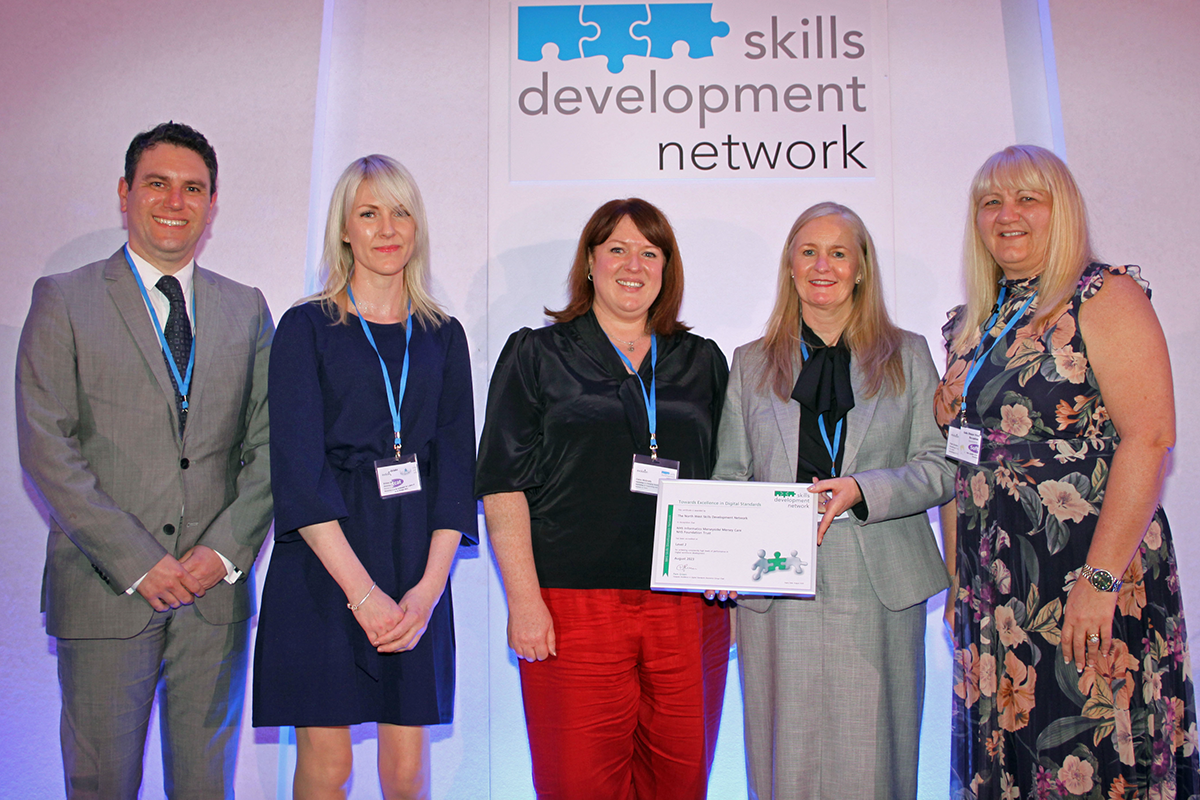
In November 2023, the Digital Training Service also achieved Gold Training Service Accreditation from the NHS Skills Development Network.
2022 to 2024
Supporting Cheshire and Merseyside’s digital and data ambitions
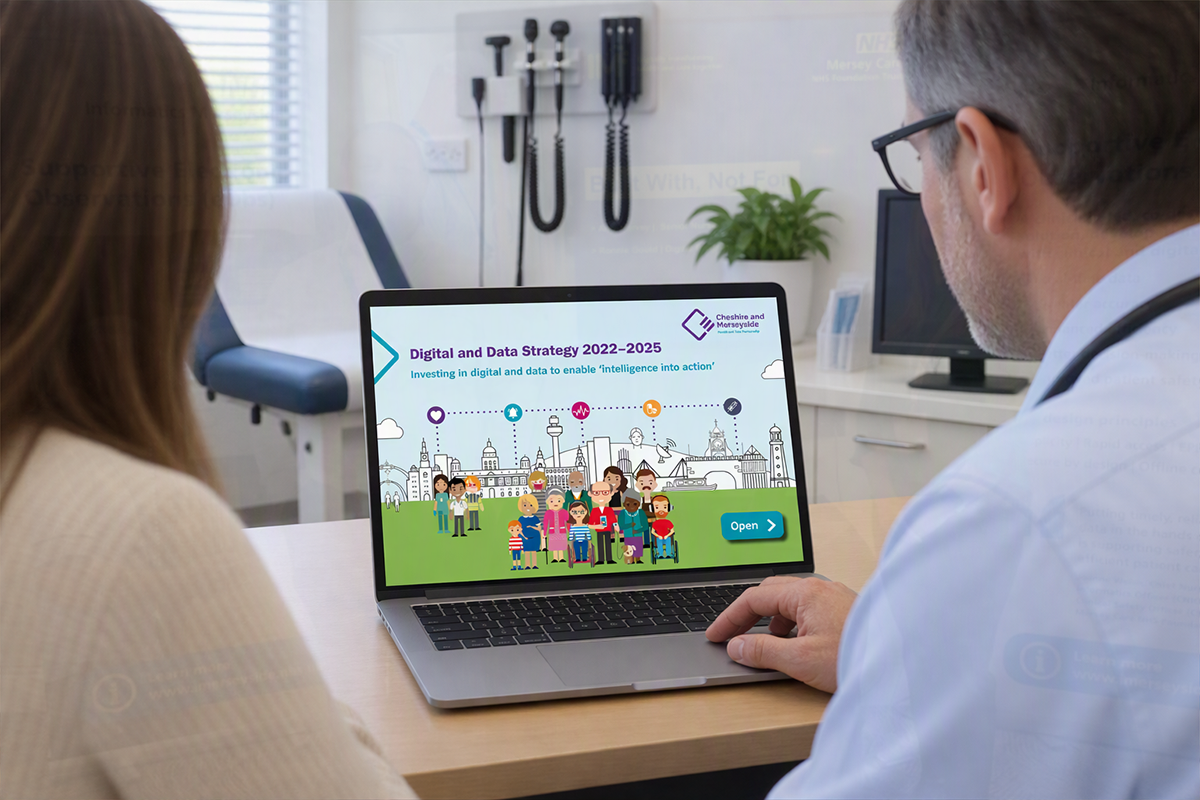
The publication of the Cheshire and Merseyside Digital and Data Strategy for 2022 to 2025 established a regional ambition to improve health and wellbeing by embedding digital and data across pathways of care, strengthening infrastructure and turning intelligence into action.
IM has supported this direction by contributing to place-based digital plans and managing or enabling regional programmes and infrastructure, including Microsoft 365 optimisation and hosting and support for the Share2Care e-Xchange platform. IM has also led the Cheshire and Merseyside Care Record (CM Care Record) programme on behalf of the ICB and supported wider priorities relating to interoperability, information sharing, digital collaboration, integrated care and neighbourhood working.
The organisation’s approach is shaped through its engagement with ICB digital governance and strategy arrangements. IM works with senior digital, clinical and operational leaders to support coordinated, clinically informed and benefits-led delivery across regional programmes, the ICB corporate environment and primary care.
Supporting Mersey Care’s digital transformation
As IM’s host and one of its core partners, Mersey Care NHS Foundation Trust has remained central to IM’s journey. IM provides the digital expertise and operational capability needed to translate the Trust’s clinical, organisational and strategic requirements into safe and effective digital services.
This partnership spans strategic leadership, clinical informatics, digital business partnering, infrastructure, cyber security, information governance, systems integration, service support and the design and implementation of new digital solutions. Mersey Care’s Digital and Data Strategy Group provides a forum through which transformation programmes and digital priorities are reviewed with clinical, operational and digital leadership.
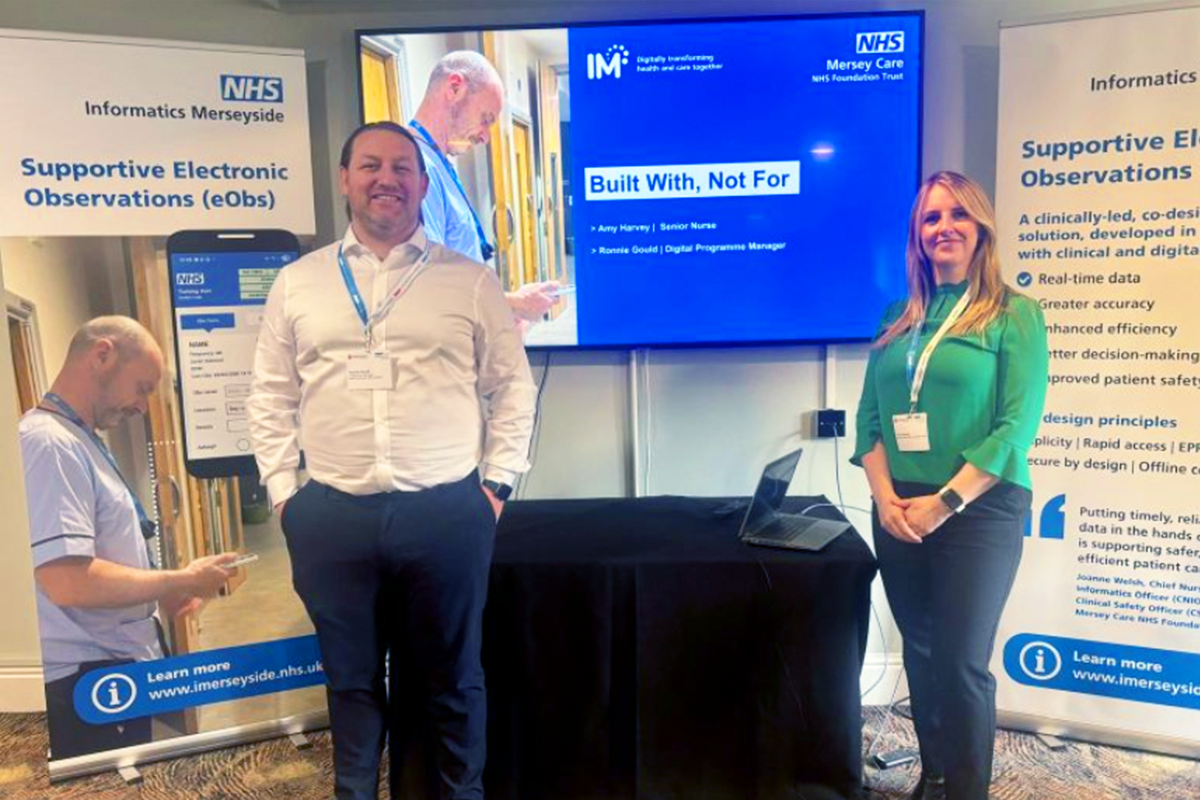
A recent example is Supportive Electronic Observations, or eObs, developed collaboratively by Mersey Care’s clinical and digital teams. The mobile solution integrates with the Rio Electronic Patient Record and replaces paper-based observation processes with real-time digital recording. Since its launch in June 2025, the solution has been deployed across mental health and secure care wards, improving the completeness and visibility of observation information and supporting safer clinical decision-making.
IM also worked with Mersey Care NHS Foundation Trust and technology partners to enhance the Trust’s mental health crisis helplines. The upgraded service introduced improved telephony, live dashboards, analytics and transcription capabilities to support access, operational insight and clinical care. As part of the programme, IM also integrated what3words technology into the crisis line, enabling clinicians to accurately identify the location of individuals in crisis who may be unable to describe where they are, helping to facilitate timely emergency responses in high-risk situations. This innovative approach was shortlisted for the Improving Mental Health Through Digital category at the 2024 HSJ Digital Awards.
2025
Embracing digital innovation and AI
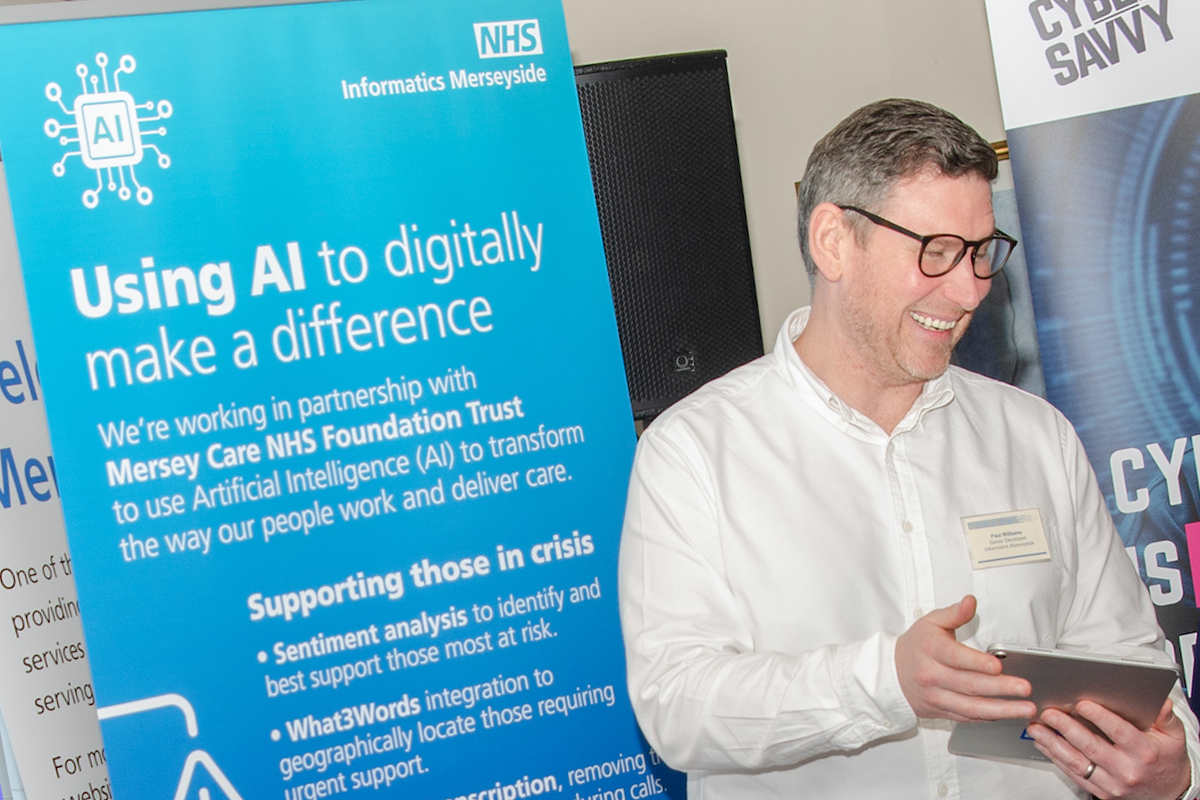
In September 2025, IM launched the IM Digital Portal, providing a single gateway for customers and colleagues to access support, guidance, self-service resources and digital services. The launch of the AI-powered IM Digital Assistant further enhanced the user experience, helping users quickly find information and answers to common queries.
During the same period, IM also began supporting partner organisations across Cheshire and Merseyside to explore the opportunities and challenges presented by AI. Through guidance, engagement and collaboration, IM helped promote the safe, responsible and effective use of AI technologies across health and care, while identifying opportunities to improve productivity, reduce administrative burden and enhance service delivery. This included supporting the development and adoption of emerging technologies such as Ambient Voice Technology and other AI-enabled solutions.
By the end of 2025, IM had transformed from a traditional IT shared service into a broad digital organisation at the heart of health and care transformation. Its expertise now extended far beyond technology support, helping partners harness digital innovation, data and new ways of working to improve services, support colleagues and deliver better outcomes for the populations they serve.
2026
Expanding access and strengthening regional resilience
On 1 October 2026, IM will celebrate its twentieth anniversary and embark on another significant chapter in its history.
As part of new digital service arrangements across Cheshire and Merseyside, responsibility for ICB corporate and GP IT services in Cheshire East, Cheshire West, Warrington and Wirral will transfer from Midlands and Lancashire Commissioning Support Unit (MLCSU) to IM. Responsibility for ICB corporate IT support in Halton will also transfer to IM. In addition, Smartcard and pharmacy support services across these areas will become part of IM's growing service portfolio, expanding the successful service model already provided across Liverpool and Sefton.
This development will further strengthen IM's role as a regional digital partner, creating new opportunities to improve consistency, share specialist expertise and enhance the resilience of digital services across Cheshire and Merseyside. It will also welcome new colleagues into Team IM, bringing additional skills, experience and knowledge that will help shape the organisation's future. Together, we will build on the strong foundations established over the past 20 years, learn from one another's experiences and continue delivering innovative digital solutions that support health and care organisations across the region.
Beyond 2026
Digitally transforming health and care together
As IM enters its third decade, the organisation remains committed to working alongside its partners to harness technology, data and digital innovation to improve services, support health and care professionals, and deliver better outcomes for patients and communities across Cheshire and Merseyside and beyond.
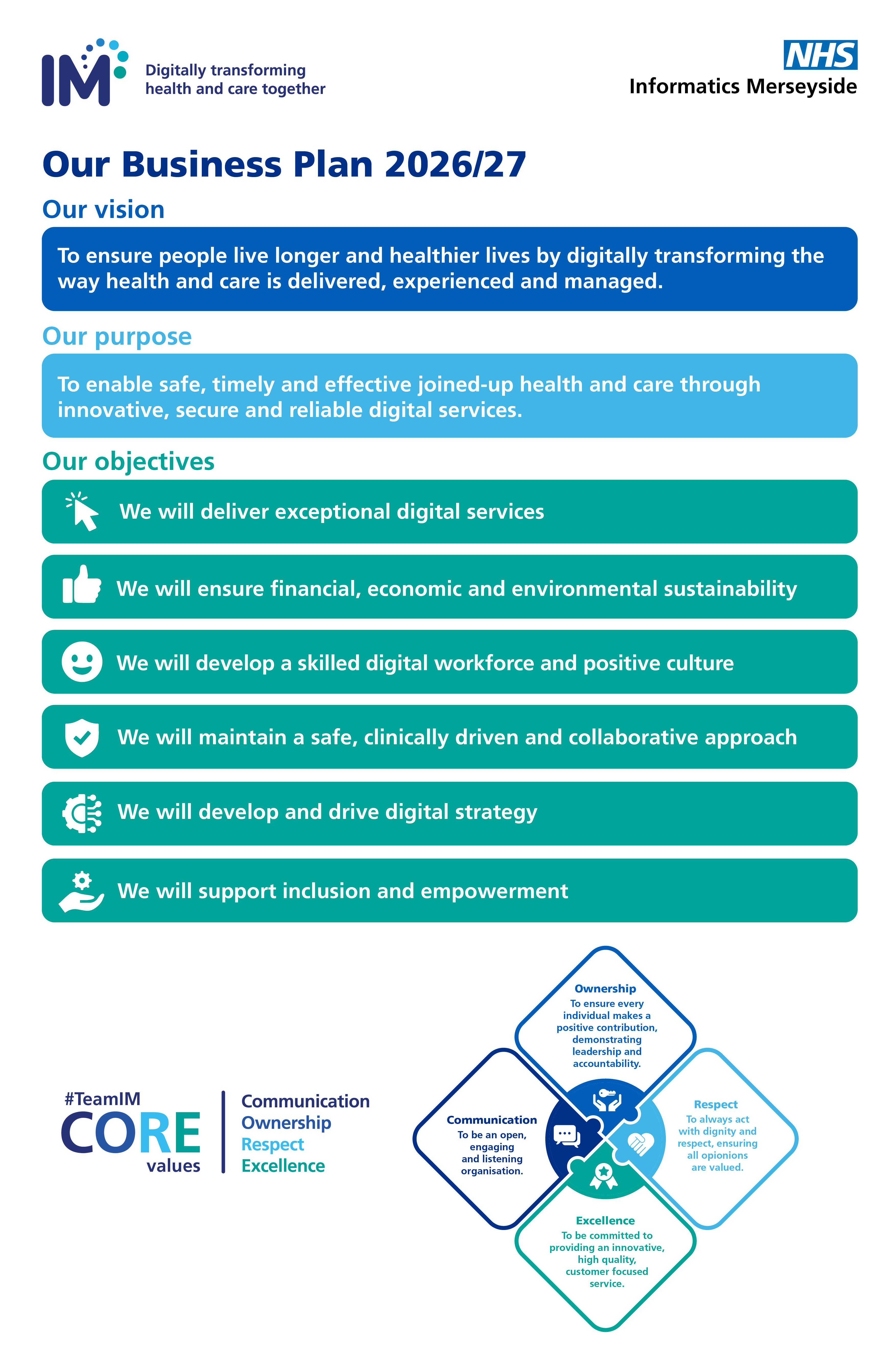
IM’s Business Plan 2026/27 builds on our experience and focuses on six priorities: delivering reliable digital services; supporting financial, economic and environmental sustainability; developing the digital workforce and organisational culture; maintaining safe and clinically led services; strengthening digital strategy; and promoting digital inclusion and empowerment.
Across each stage of IM’s history, the organisation’s progress has been shaped by its people, partnerships and ability to respond to a constantly changing health and care environment. From establishing a shared service in 2006 to supporting integrated care, regional interoperability, digital inclusion and clinically led innovation in 2026, IM’s purpose remains clear: digitally transforming health and care together.